




Cancer Loop
Turning Fear Into Strength
CancerLoop uses trusted, evidence‑based information from leading health authorities, including the National Cancer Institute, Mayo Clinic, ACS, and the NHS.
Cancer Loop Topics
Mostly from NCI & NHS

My Vaping Mistakes

Talk Talks

One-on-One with Teens
One-on-One with Teens
One-on-One with Teens
SexTalk with Teens
SDTs & Teens
TeenTalk with Parents
TeenTalk with Parents
My Vaping Mistakes

ABOUT CANCER
The Definition of Cancer
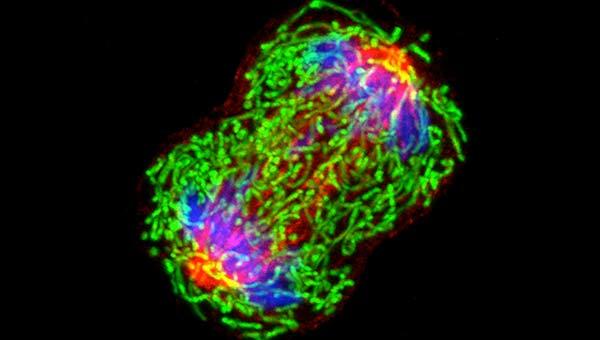
Cancer is not one disease, but a collection of related diseases that can occur almost anywhere in the body. At its most basic, cancer is a disease of the genes in the cells of our body. Genes control the way our cells work. But, changes to these genes can cause cells to malfunction, causing them to grow and divide when they should not—or preventing them from dying when they should. These abnormal cells can become cancer.
Understanding how genetic changes cause cancer is one way to understand this disease, while cancer statistics is another. Cancer statistics help scientists understand the burden of cancer on society. Statistics can tell us things such as how many people are diagnosed with and die from cancer each year and the number of people who are living after a cancer diagnosis. Changes in statistics over time can help scientists find areas where progress is needed.
Read MoreCancer Type
Featured Cancer Type








NEWS & RESEARCH
Updates by Topic
The National Institutes of Health has funded six projects to develop, test, and validate outcome-focused quality measures for mental health, which are used to understand the impact of interventions when implemented in real-world health care systems and settings.
Read more01
New Blood Test May Detect Early Pancreatic Cancer
Four-marker blood test could catch pancreatic cancer at more treatable stages.
02
Why Are Cancer Diagnoses Rising in People Under Age 50?
Researchers are looking at environmental, lifestyle, and other factors as potential contributors.
03
Predicting Breast Cancer Aggressiveness
Substantial changes in breast tissue may be associated with increased risk of aggressive breast cancer and poorer rates of survival.